AI Agent Phones Arrive: MWC 2026 Signals the Next Smartphone Era

-
공유하기 선물하기


[MWC26 Implications] 5 Mobile Innovation Trends
Smartphones become robots... The direction of camera innovation has changed
The body of the AI agent is stretched... On the wrist, desk, collar
AI has started using smartphones instead.
As soon as the user says a word, AI opens the app, finds information, makes reservations, and even processes purchases. It imitates the touch of a person's fingers.
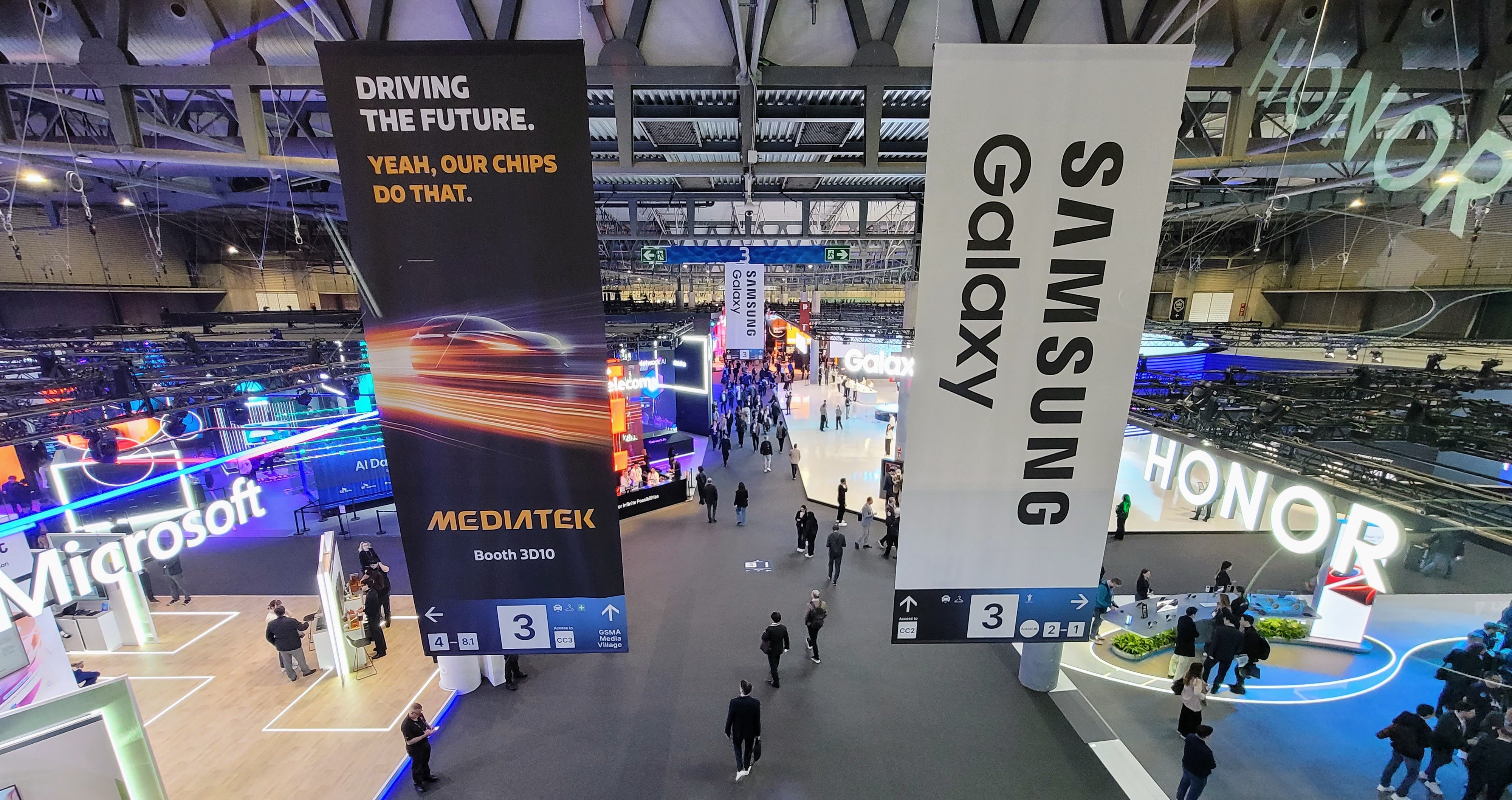
MWC 2026 was held in Barcelona's Fira Gran Via exhibition hall. The moment I entered the scene with the opening on March 2nd, there was only one topic this year. AI agent.
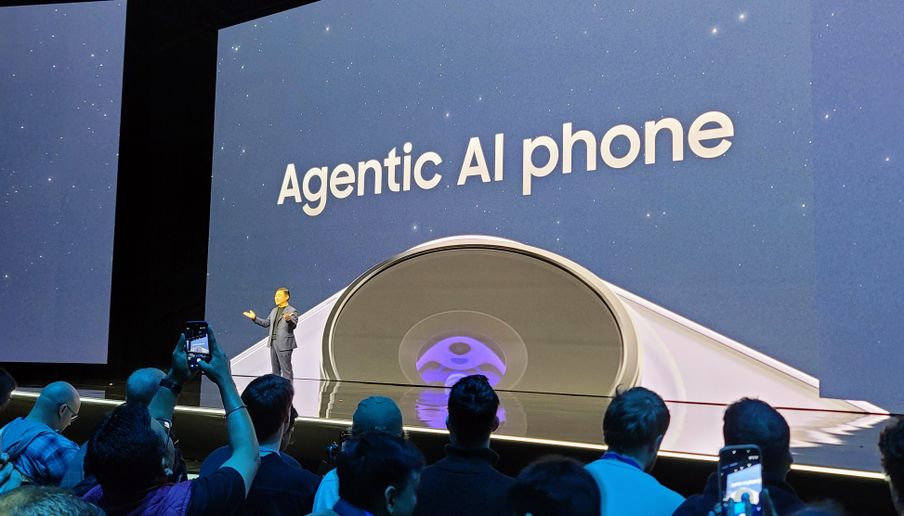
If last year's MWC was an exhibition hall for the discourse that "AI will change the world", this year, the AI has begun to move its fingers directly. Smartphones were no longer 'devices that run apps' but 'platforms where AI agents work'.
The axis of smartphone competition is changing. Rather than 'what app to run', 'how much work AI can do for you' has become the new standard.
In the midst of the duopoly structure between Apple and Samsung, the MWC 2026 exhibition hall was filled with innovative products that declared the redefinition of mobile devices.
We have summarized the five key trends identified in the field, including gimbal camera phones that follow subjects like robots, foldables that can float in water, modular laptops that change ports, and satellite communication (Starlink Mobile).
👉 Samsung and Apple don't have it... China's three innovation engines seen at MWC
1. The Emergence of AI Agent Phones... TikTok becomes an agent
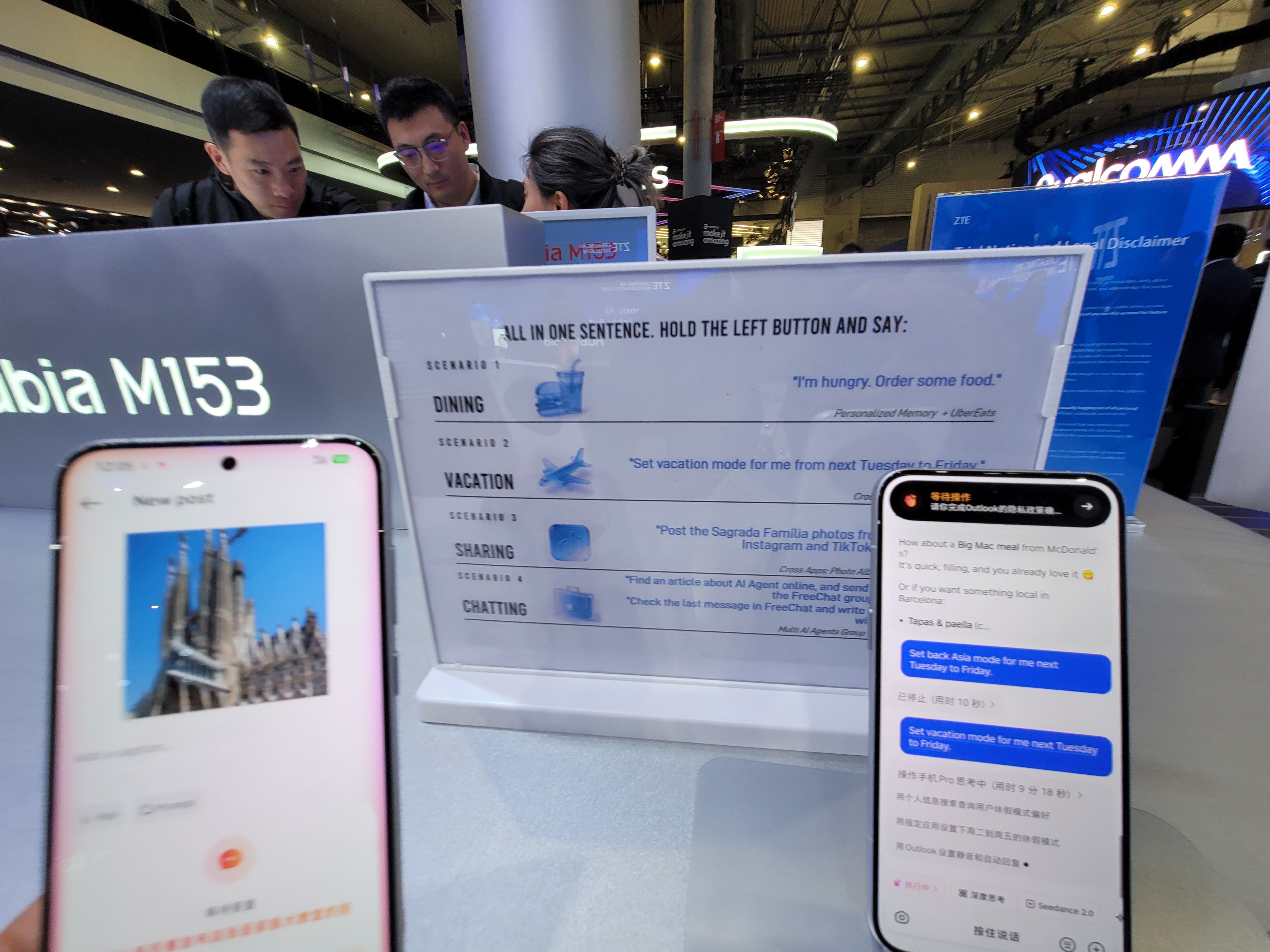
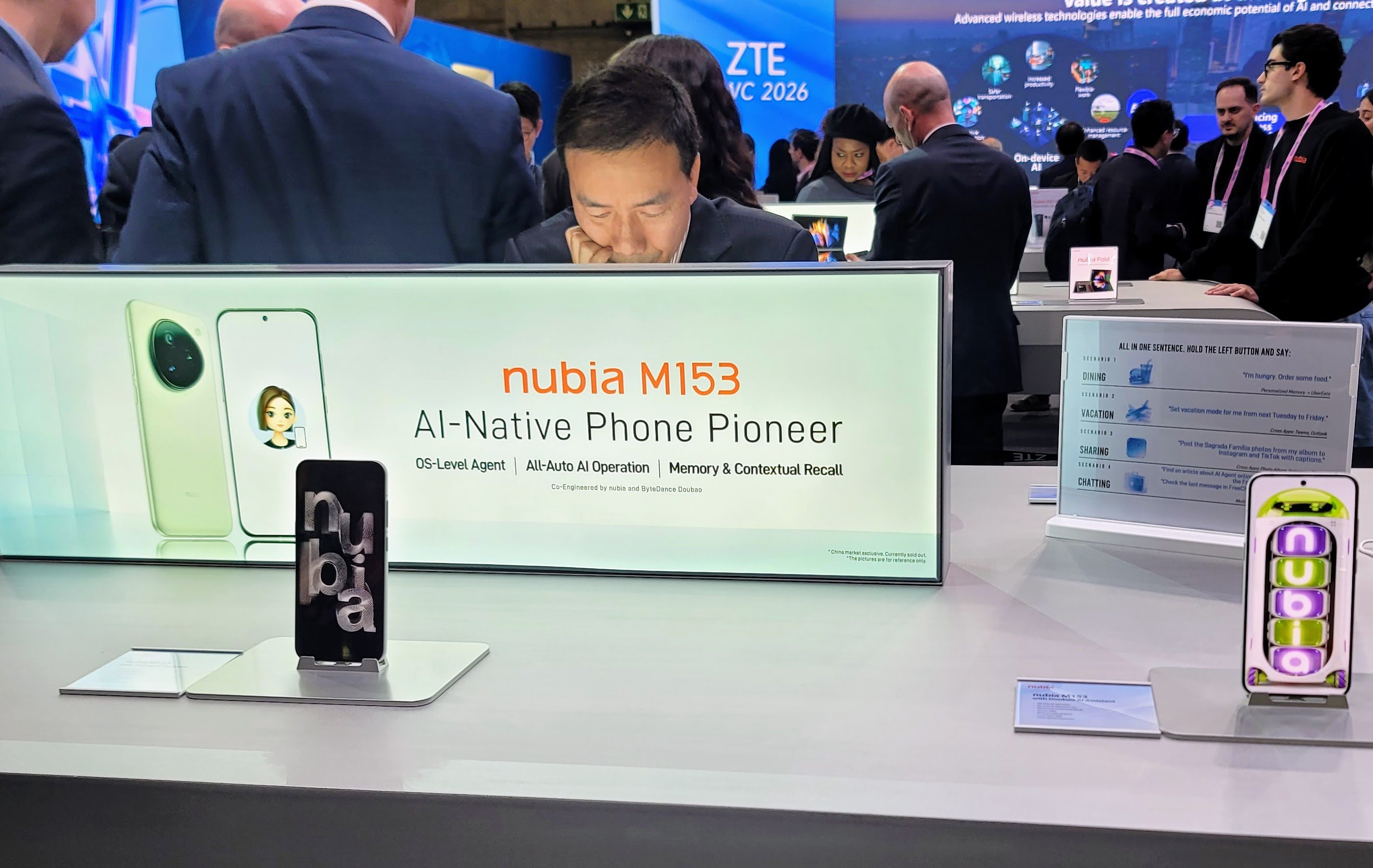
The product that drew the hottest response at MWC 2026 was ZTE's Nubia M153. This is because the AI agent trend is the first device to be fused with the form factor of a smartphone. This smartphone, which is deeply embedded in the operating system (OS) of TikTok's parent company ByteDance's AI assistant Doubao, is considered to be the first example of the most active implementation of the concept of an AI-native phone.
At the heart of the Nubia M153 is what ZTE calls an 'AI Autopilot' Doubao AI Assistant goes beyond simple voice commands, understanding the user's natural language instructions and performing actual tasks for them across multiple apps. In the actual demonstration, if you say, "Book an Italian restaurant for dinner with friends tonight," the AI will open the map app, refer to the review app, and access the reservation app to complete the itinerary.
While there is still a limitation that it only works in pre-entered situations, it is noteworthy that it is the first form of AI agent implemented in a smartphone.
The driving method is also worth paying attention to. Doubao AI directly simulates human finger touches by using system permissions without going through official APIs. In theory, this means that almost any app can be automated without the support of the app developer.
It is also possible to create social media posts, visit various shopping apps, compare prices, and purchase as an agent. At sensitive stages such as payment, it is designed to require direct approval from the user. The hardware is also uncompromised, with top-notch specifications such as the Qualcomm Snapdragon 8 Elite, 16GB of LPDDR5X RAM, and a 6000 mAh battery.
There is a reason why it is difficult to see this product as a simple smartphone launch. ByteDance has revealed its strategy to integrate its AI models into the OS level and use hardware as a base for the AI ecosystem. The choice of ZTE as a partner is in the same vein.
Analysis shows that a flexible partner was needed to accommodate this level of OS integration, and ZTE took on that role. The Nubia M153 was released in China in December 2025 in a limited edition of 3,499 yuan (about 700,000 won) and sold out immediately, and MWC 2026 was the first public stage in Europe.
[Key Implications]
Regardless of the success of the Nubia M153, the historical significance of this device is clear.
With OpenAI teaming up with iPhone designer Johnny Ive to prepare AI agent hardware, and Google and Meta also entering the agent device race, the Nubia M153 has become the first reference model that all its subsequent devices will refer to.
This is because it showed for the first time how agents can be combined with smartphones, their possibilities and limitations.
2. Smartphones that have become robots... Even emotional interaction
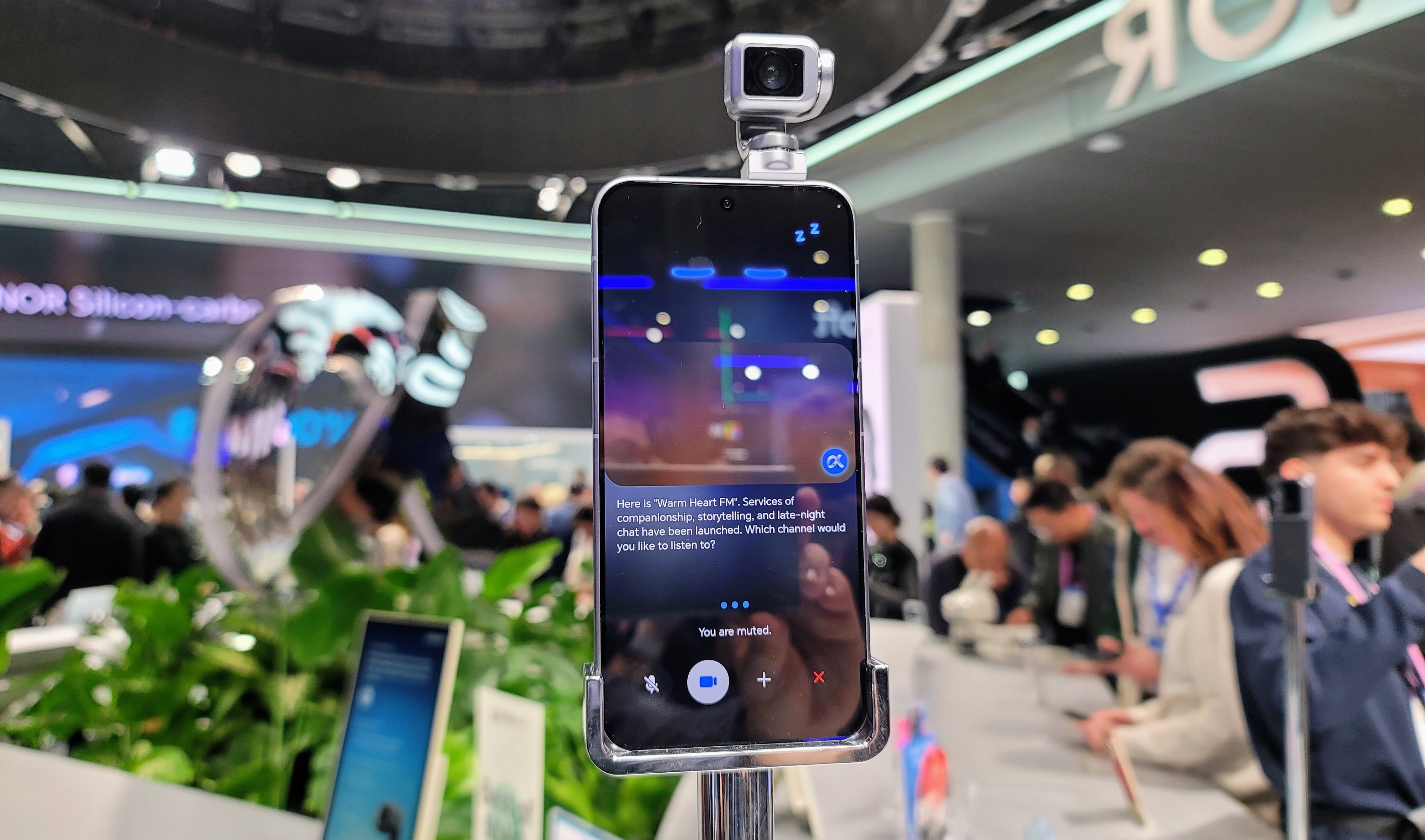
China's Honor's Robot Phone is a symbolic scene of hardware innovation. To see the first Robo phone, the Honor exhibition hall was crowded with MWC 2026 visitors.
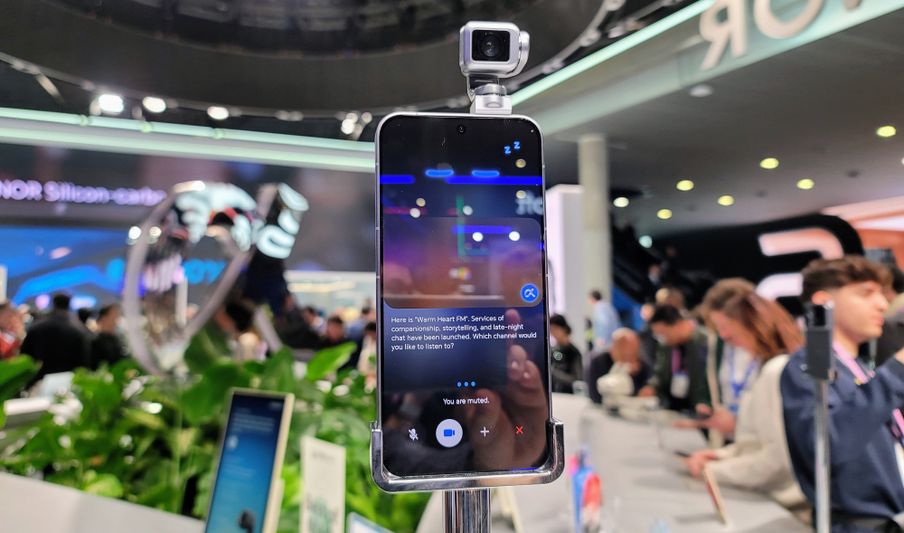
This product is not just a smartphone with a 200MP sensor. The 4DoF gimbal camera arm protruding from the rear nods, rocks from side to side, and tracks the subject. AI tracking and stabilization are the defaults.
As the name 'robot' suggests, the camera is not a fixed function on a smartphone, but moves independently and functions as a companion to assist in shooting. It is an attempt to integrate existing workflows that required separate purchases of gimbals and creator apps into a single device.
Honor's 'robot phone' is an innovative example of how embodied intelligence can be implanted into personal mobile devices. The device has a small 3-axis gimbal equipped with a 200 million pixel camera that protrudes from the smartphone body and moves independently.
The gimbal system is implemented using ultra-compact micromotors that are 70% smaller than traditional market standards and supports 4DoF (4 degrees of freedom) movement to provide extremely precise tracking and stability.
However, the true value of this robot phone lies not in the simple movement of the camera, but in the 'emotional interaction' with the user. Through multimodal cognitive capabilities, it can identify sounds, track movements, and express emotional body language, such as nodding or swaying in time with the user's movements.
It makes the device feel like a living thing by dancing to the beat of the music or making the user feel like they are taking a 'nap' when they are away. This is considered to present a next-generation device form that combines technical intelligence (IQ) and emotional intelligence (EQ).
This year's MWC camera competition showed a clear direction. The axis of competition has completely shifted from the specification of 'how many megapixels' to the redesign of the shooting workflow of 'how to make it filming'.
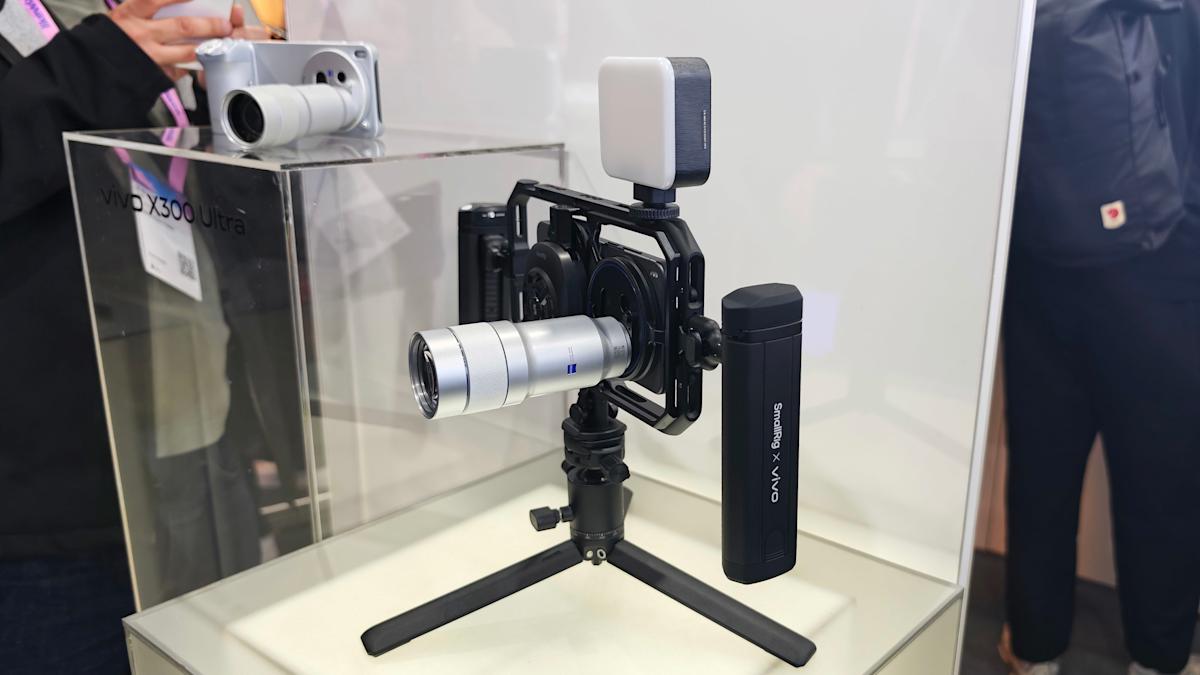
In fact, it is in the same vein that China's Vivo's X300 Ultra announced a professional camera cage and telephoto lens together. This was interpreted as a strategy to go beyond "using the phone like a camera" and "integrate the phone as part of professional camera equipment." It presents an ecosystem that connects the grip, additional battery, and lens expandability required in the actual shooting environment to the main body of the phone.
This trend was also captured in the collaboration product range between Xiaomi and Leica. The physical control ring and dedicated shooting interface were brought to the fore, emphasizing the 'camera down' experience that transcended the limits of touch operation.
It was a scene that revealed that the competition for smartphone cameras is expanding beyond sensor performance to a separate shooting ecosystem that encompasses physical interfaces (rings, gimbals, cages), software, and accessories.
[Key Implications]
Foldables and flexible displays were now moving beyond the narrow boundaries of the 'singularity of smartphones'.
The technology that folds and stretches the screen is now becoming a general-purpose platform technology that freely crosses categories. The topic of the industry was 'one device, multiple modes'. This is proof that the experience of allowing users to instantly switch the role of a device depending on the situation is becoming the standard of the new user experience (UX).
This means that the question of smartphones in the future will be 'How many megapixels?' Not how do you make them take pictures? It showed that it was moving to.
3. The agent's body stretches... On the wrist, on the desk, on the collar
At MWC 2026, AI did not stop at the assistant function in smartphones. Throughout the exhibition hall, AI was rising on the wrist, on the desk, on the collar, and was being distributed into a new group of devices with physical forms.
The entire exhibition hall was proving that the flow of agents shown by the Nubia M153 was not limited to a single smartphone.
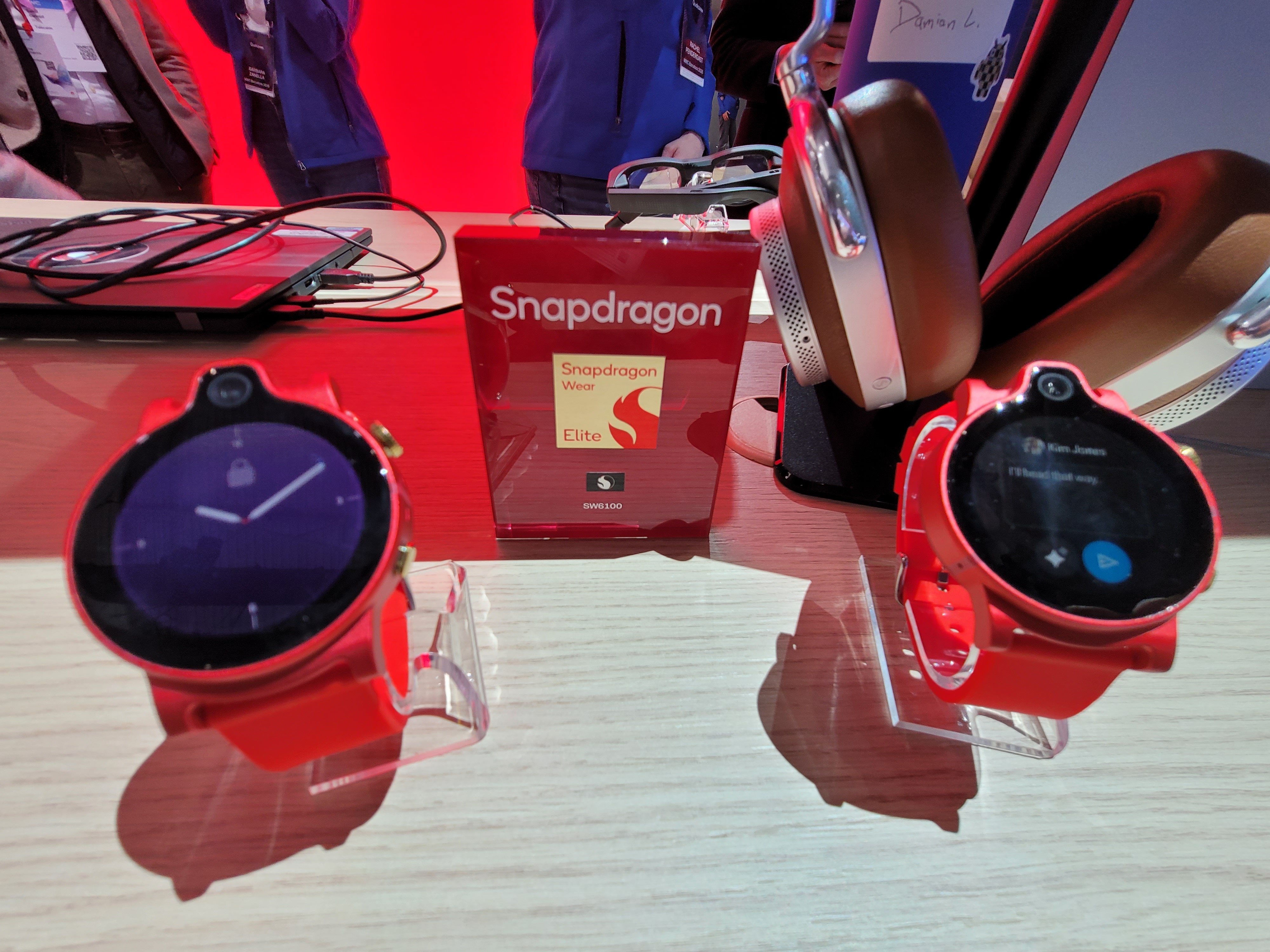
Qualcomm announced Snapdragon Wear Elite, a wearable-only chip, to support this trend at the platform level. It is a chip that can drive not only smartwatches, but also pin-shaped, pendants, and even AI companion devices without displays. It was a declaration to expand the physical base where the agent could operate beyond the wrist.
The AI Workmate unveiled by Lenovo as a concept showed the direction most intuitively. A small device placed on the desk makes an expression to manage the schedule and assist with work. While Nubia's M153's agent worked on behalf of the user, the AI Workmate is an agent that resides in the user's physical space. It was the first attempt to show what kind of form an agent can take when it comes out of a smartphone screen.
[Key Implications]
What these devices have in common is that the design criteria for AI-native hardware are fundamentally different from those of smartphones.
It is not about screen resolution or processor clock speed, but microphone sensitivity, sensor accuracy, battery efficiency, and seamless connectivity with peripherals are the key specifications.
This is because the agent does not only work when the user looks at the screen, but also must quietly observe and intervene throughout the user's day.
4. Folding and unfolding is not all ... Infinite expansion of form factors
Foldables are no longer an 'experimental' category. The technology that folds and stretches the screen is now established as a general-purpose platform technology that freely crosses categories.
Honor's Magic V6 is only 4mm thick when unfolded, but it has an IP69 rating that can withstand complete immersion. The key point to watch at this MWC was that the foldable market has passed the stage where it is no longer evaluated only by the 'wow factor' and has entered a mature period of competition for the fundamental values of smartphones such as durability, battery efficiency, and practical use scenarios.
Lenovo is more radical. The Lenovo Legion Go Fold folds the 11.6-inch foldable display in half to turn it into a portable console, and when the controller is removed, it becomes a mini laptop. It is a game machine, a tablet, and a PC. It was read as Lenovo's ambition to provide an experience optimized for user activities, 'like a console when playing games, like a tablet when watching videos, and like a laptop when working on documents'.
What's even more interesting is that these form factor innovations are being experimented faster and more boldly in the field of PCs and gaming devices than smartphones. This is explained by the fact that it is a field where clear user values of 'productivity' and 'immersion' can be directly linked to form factor innovation.
'Mode switching hardware' in which one device performs multiple roles is emerging as a new standard.
'Modular', which was once dismissed as a failed experiment, has returned to MWC with a completely different look. The modular that appeared this time was not a 'Lego' that aroused consumers' curiosity. It was a strategy that addressed practical issues of cost, sustainability, and operational efficiency.
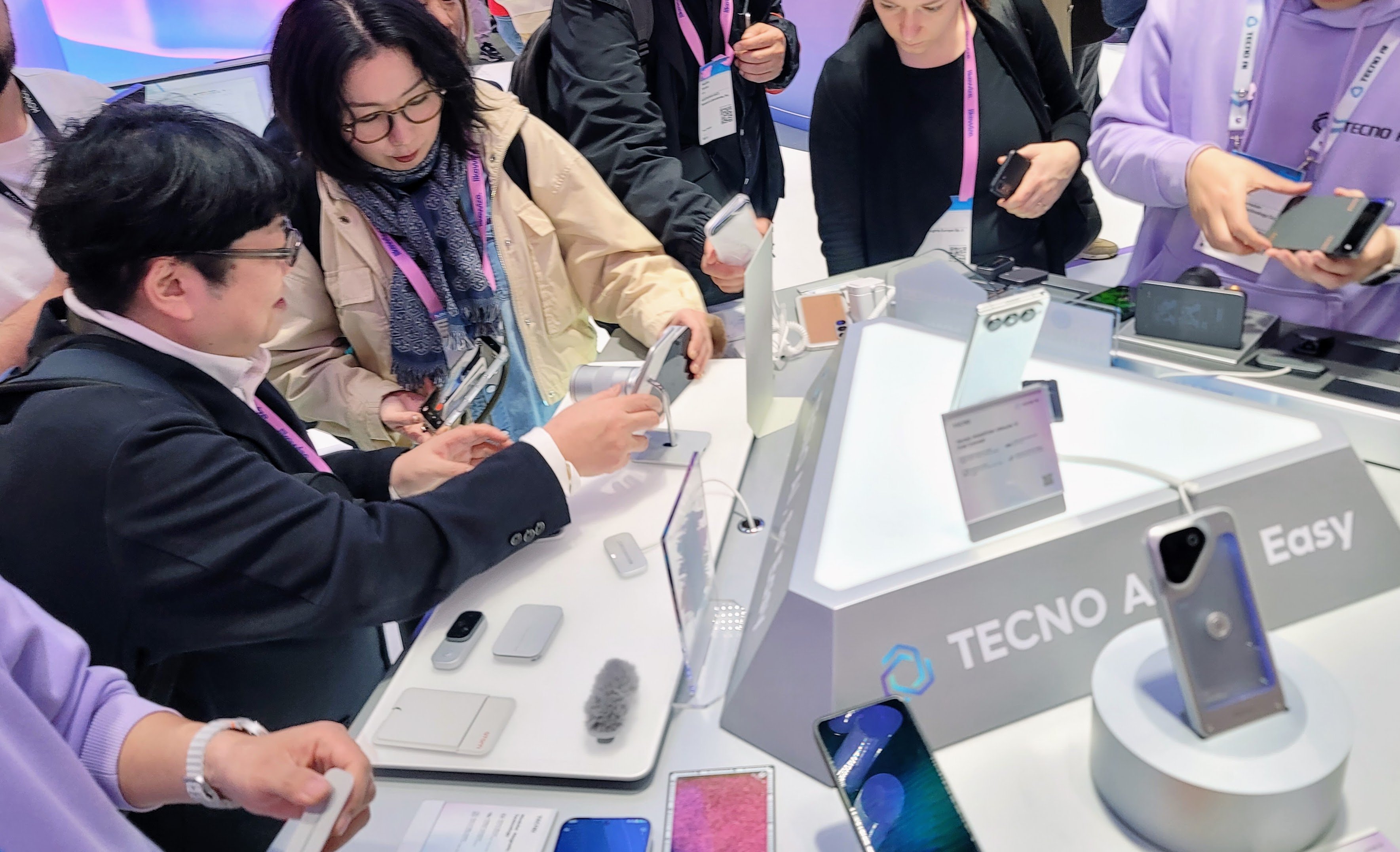
Lenovo's modular AI PC can replace USB-C, USB-A, and HDMI ports as needed, and the screen can be attached and detached. At the exhibition hall, the 'iFixit repair score of 10/10' was emphasized, and the advantages in terms of reliability and total cost of ownership (TCO) as a long-term use business device were brought to the forefront. China's Tecno presented a magnet-based modular smartphone at MWC. It is a structure that attaches a battery, a telephoto lens, and a game controller.
[Key Implications]
Modular and scalability strategies are gaining traction in B2B, creator, and field business markets before mass markets. From a company's point of view, the ability to extend the life of a device just by replacing parts leads to obvious cost savings.
In the end, it shows that 'repairability and the health of the parts ecosystem' are emerging as a core competitiveness that affects the total cost of ownership of a product beyond a simple marketing point.
5. Satellite communication evolves from 'optional' to 'essential'
At the MWC 2026 Barcelona exhibition site, satellite communication was no longer an 'auxiliary means of filling shadowed areas'. On the contrary, it has become a key infrastructure in the 6G era and has attracted a lot of attention throughout the exhibition hall.
At this year's MWC, a separate space communication pavilion was installed for the first time in history, and the GSMA Board of Directors also adopted satellite communication as a key agenda.
In the past, satellite communication was treated as a separate system from terrestrial infrastructure, but now the paradigm has shifted to designing space and the ground as a single integrated network.
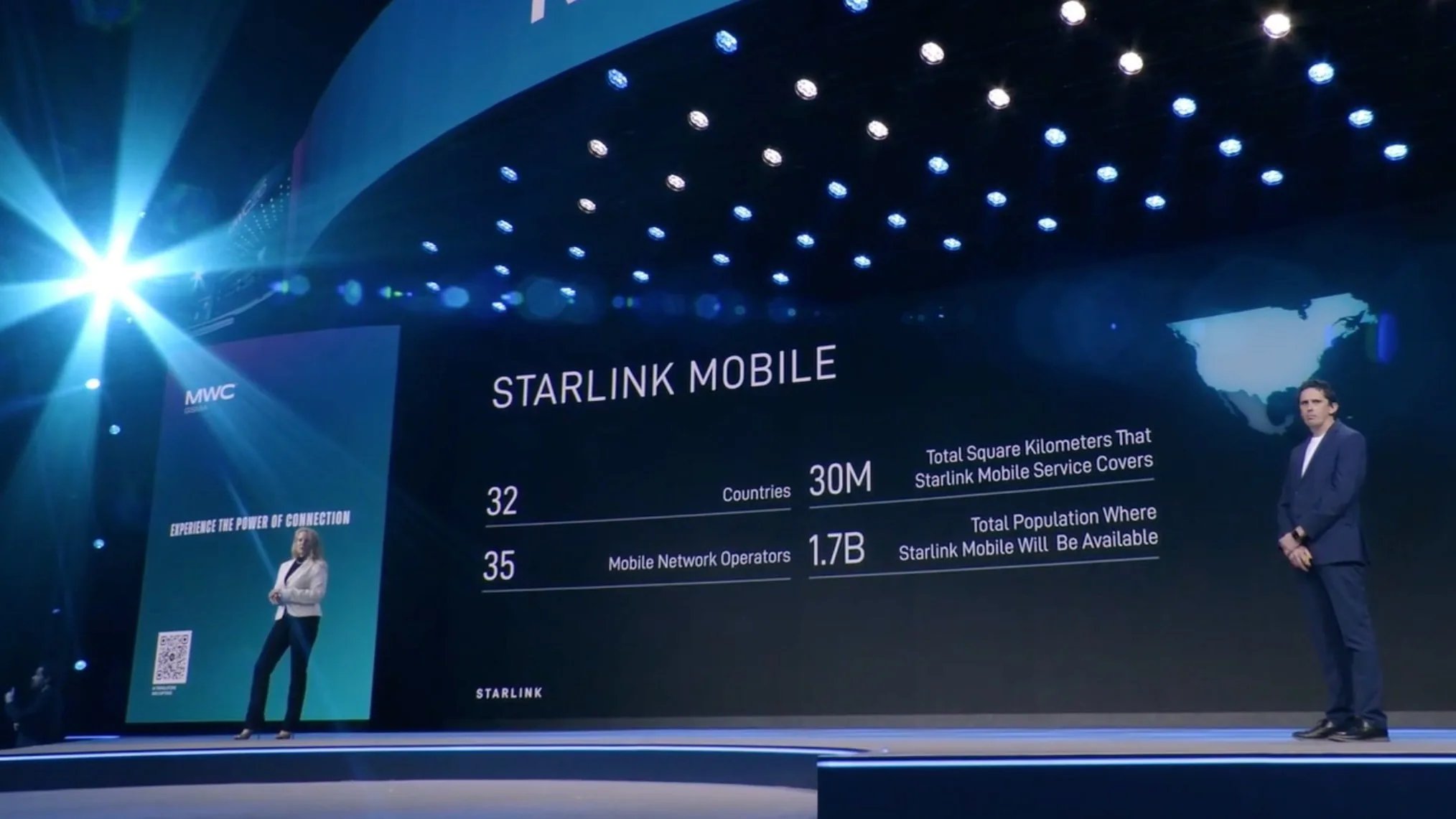
In particular, SpaceX officially launched 'Starlink Mobile' and revealed plans for the full-scale operation of '2nd generation Starlink satellites', which attracted a lot of attention. Starlink has stated that it "does not currently compete with mobile carriers," but this is because direct competition for 'subscribers' is inevitable in the future.
Starlink President Gwynne Shotwell said in her keynote speech, "We will accelerate the launch of second-generation satellites from the middle of next year and exceed 25 million users by the end of 2026."
The core function of second-generation satellites is D2C (Direct-to-Cell), which is an idea that low-orbit satellites act as base stations in the sky without a separate base station and provide 5G-level speed. SpaceX explains that this is a solution that complements areas that are not reachable by terrestrial networks.
The results are also impressive. The first-generation system, which is currently operating with 650 satellites, has already connected 16 million users and 10 million monthly active users. Major mobile carriers such as T Mobile in the United States, Rogers in Canada, and KDDI in Japan are participating as partners, and the goal is to raise this figure to 25 million by the end of 2026.
The key to the second-generation system is SpaceX's super-large launch vehicle Starship. According to the plan, from mid-2027, Starship will begin launching second-generation satellites. The idea is to launch more than 50 satellites into orbit with a single launch of Starship and complete a constellation of about 1,200 satellites capable of continuous global coverage within six months. In the long term, it plans to expand to 15,000 units.
The performance leap is also noteworthy. Currently, the speed of the first-generation Starlink mobile is about 4 Mbps, and it is possible to use texts, calls, and some apps. However, the second-generation satellite has five times the antenna area per satellite, four times the bandwidth per beam, and the number of beams increases by 16 times compared to the first generation.
The satellite communication trend at MWC 2026 was also read as a competition for 6G supremacy between the United States and Europe.
The European Union (EU) is promoting its own satellite network project IRIS. The project, which will cost about 10.6 billion euros (about 18 trillion won), is scheduled to partially start government services from 2029. Rafael Jorda, CEO of Open Cosmos, emphasized the importance of "sovereignty," saying, "No country or company wants to rely on a single provider for its core infrastructure."
The Miilk's Advice: Three Strategic Implications from MWC26
The five major trends of MWC 2026 converge into one conclusion. The unit of competition is moving from 'a single device' to 'the entire ecosystem in which the agent operates'.
From agent phones, AI workmates off-screen, and Starlink Mobile, which uses satellites as base stations, all of these trends have one common denominator. In order for an AI agent to function properly, it must first have the hardware, connectivity, and trust infrastructure to support it.
For Korean companies, this change is condensed into three questions.
The first question is , "Are you looking at the AI ecosystem beyond the finished product?".
The outcome of MWC 2026 was not determined by the superiority of a single finished product, but by the ecosystem surrounding it. As agents such as camera cages, gimbals, interchangeable ports, and UWB trackers permeate users' lives, the strategic value of these peripheral components increases.
The second question is, "Are you designing workflows, not specifications?".
The value of an agent does not come from the specification table. It comes from how naturally it works in the user's day. Korean companies need to break away from the obsession with the excellence of the product itself, deeply understand the actual flow of work, creation, transportation, and leisure of users, and develop the ability to design a total package that combines hardware, software, accessories, and subscription services. This is because agents use the entire workflow as a stage, not a single device.
The third question is, "Are you making trust a premium?"
The era of AI agents operating apps, making reservations, and making purchases on behalf of users has begun. The questions consumers ask become simpler. "Will this device keep my data safe, and can I trust it for a long time?"
MWC 2026 did not ask 'what will be the next smartphone'. Instead, he asked more fundamental questions. When an agent starts to stage our entire lives, who is the one who designs that stage?
Whether the answer can be filled with the technology and insights of companies is the real homework left by this MWC.