
PortGraph AI Brings Container-Level Carbon Tracking to Ports

-
공유하기 선물하기


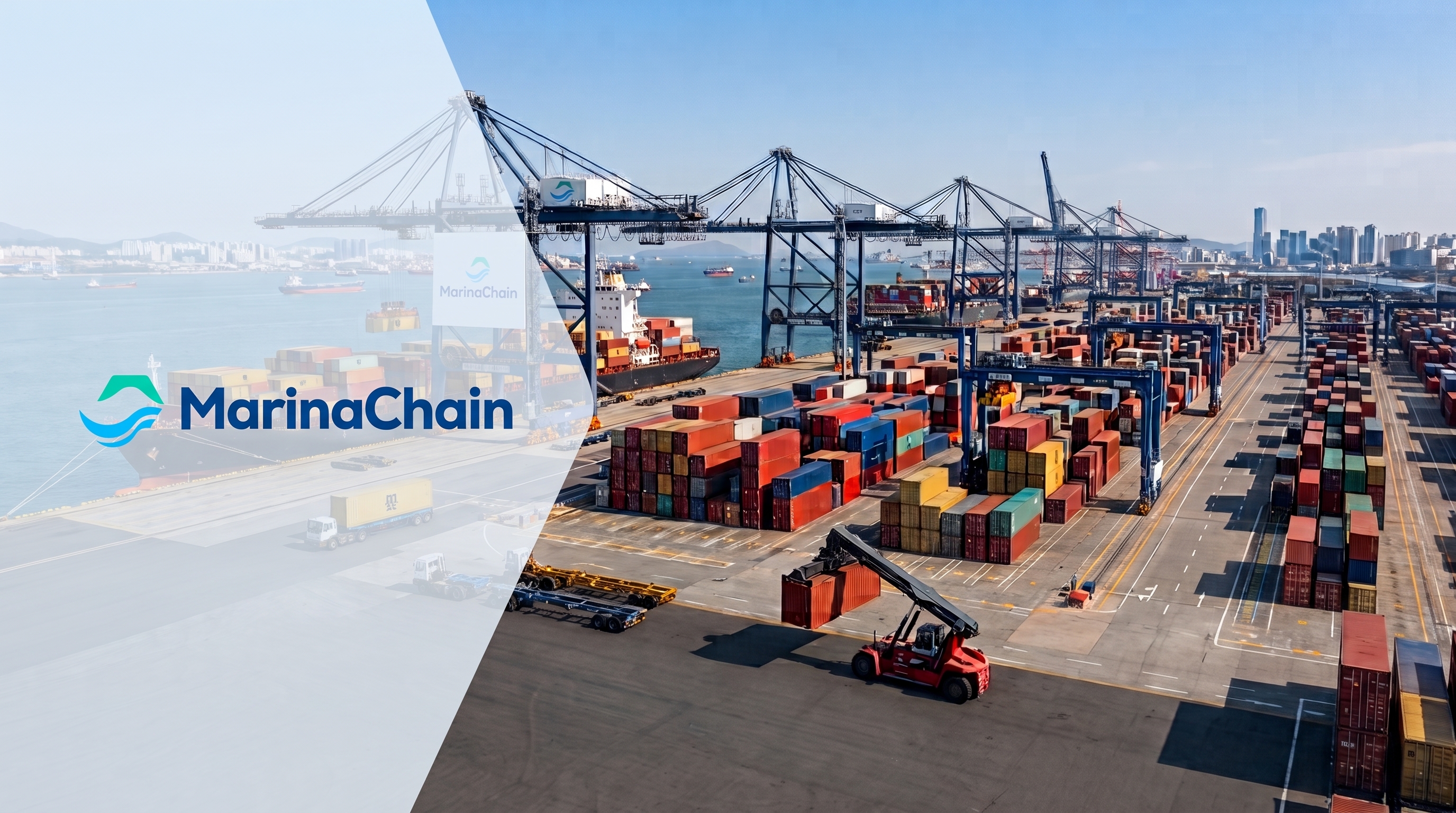
MarinaChain’s edge AI platform links equipment activity, energy use and TOS data to create operational carbon records for individual cargo movements
SEOUL, South Korea, Sep. 1, 2026 - MarinaChain today announced PortGraph AI, an edge AI platform that measures carbon emissions at the individual container-handling level by linking equipment activity, energy use and TOS data. MarinaChain plans to showcase the platform at CES 2027.
Many terminal carbon accounting processes rely on aggregated fuel or energy consumption data. That can make it difficult for operators to determine how much carbon is associated with a specific container move or piece of equipment.
PortGraph AI is designed to close that gap by collecting operational data where the work takes place and connecting it with terminal operating system, or TOS, records.
Carbon Data Tied to Each Container Move
PortGraph AI can be installed on terminal equipment including quay cranes, RTG and RMG cranes, yard tractors and reach stackers.
The platform connects equipment activity with energy consumption and TOS data to calculate carbon emissions associated with individual container-handling operations. Instead of relying only on terminal-wide or monthly averages, operators can build carbon records tied to specific work performed in the yard.
The approach gives terminal operators a more detailed view of where emissions occur across cargo-handling operations. The data can also help identify areas where changes in equipment use or operating processes could reduce carbon intensity.
“Ports need to know where emissions actually occur, not only how much energy they consume,” said Dawon Kim, CEO of MarinaChain. “PortGraph AI connects carbon accounting directly to the work being performed by terminal equipment, giving operators a clearer record of emissions at the operational level.”
Carbon Accounting and Dangerous-Goods Monitoring
PortGraph AI converts equipment-level information into standardized digital records that can support carbon accounting and reporting frameworks such as ISO 14083.
The platform also monitors dangerous-goods handling. By cross-referencing cargo information with operational activity, it can help terminal operators identify potential safety or compliance issues as hazardous cargo moves through the terminal.
MarinaChain said combining carbon and safety data with actual equipment activity can give operators a common operational record rather than requiring them to review information across separate systems.
Commercial Launch Planned for February 2027
MarinaChain plans to commercially launch PortGraph AI in February 2027 following pilot projects with domestic port partners. The company will initially focus on container terminals.
MarinaChain also sees potential applications for the equipment-level data approach in other industrial and logistics environments where operators need to track emissions generated by individual work processes.
At CES 2027, MarinaChain plans to demonstrate how PortGraph AI connects real-time equipment activity, energy use and TOS data to create carbon records for individual container-handling operations.
About MarinaChain
MarinaChain is a South Korea-based maritime AI technology company developing edge AI and operational intelligence technologies for ports and logistics environments. Its technology connects equipment-level operational data with carbon accounting, safety and compliance workflows to help operators build more transparent and data-driven operations.
Media Contact





![[AI시대, 교육의 미래] 학벌의 시대는 끝나는가](https://s3.ap-northeast-2.amazonaws.com/image.themiilk.com/production/reports/1a0013f3ee2/41650af65d_1786727875.png)